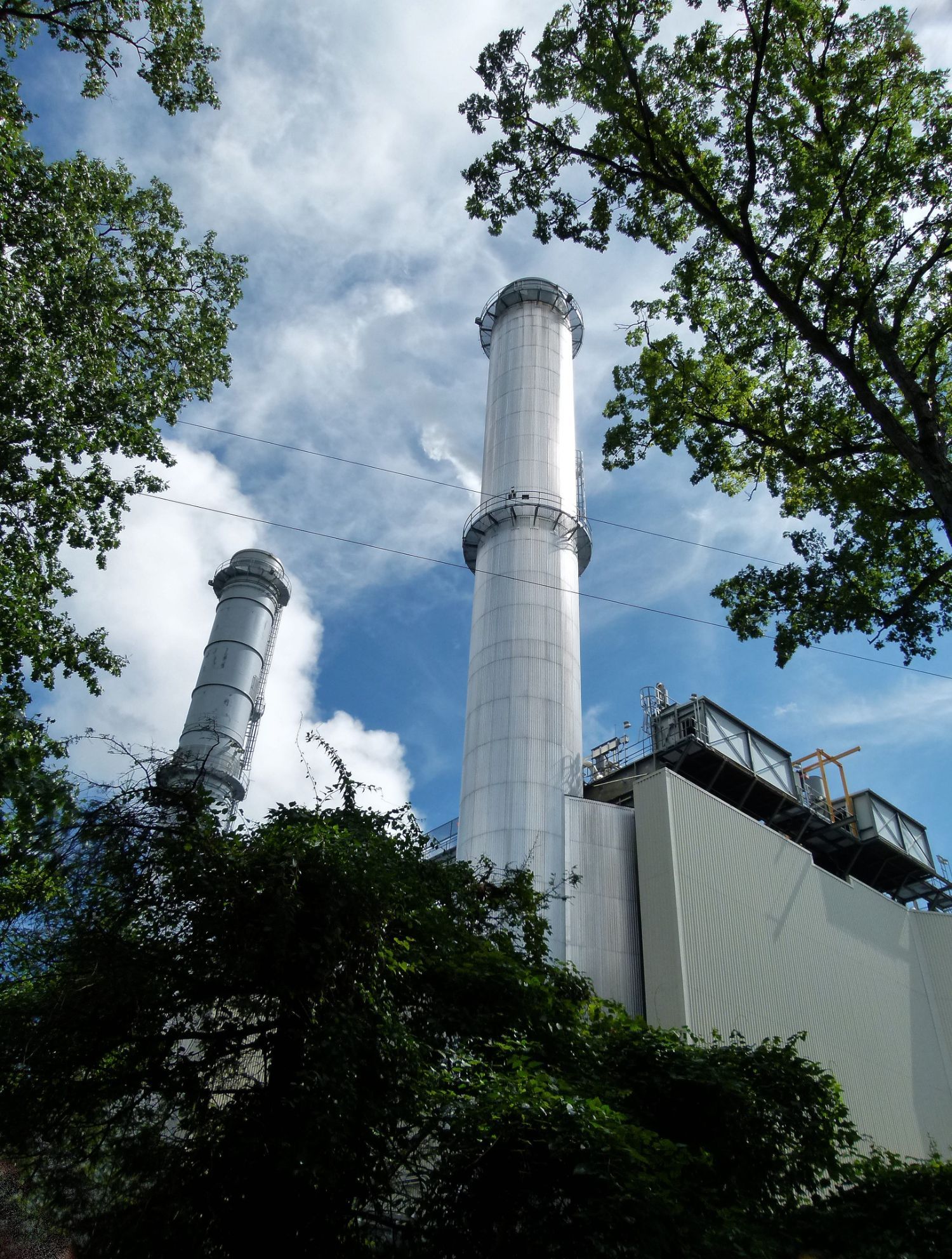
Dear Friend, The U.S. Environmental Protection Agency (EPA) recently proposed new federal carbon pollution standards for coal and gas-fired power plants. This new rule would eliminate 617 million metric tons of total carbon dioxide (CO2) through 2042, equivalent to removing the annual emissions of nearly half of all vehicles in the United States. Each year, it would prevent about 1,300 premature deaths, prevent more than 300,000 cases of asthma attacks, and prevent more than 800 hospital and emergency room visits. The new rule is a historic step in tackling the carbon emissions that harm the public and fuel climate change, but to adequately address the climate crisis, EPA still must strengthen the rule. First, EPA should require new gas power plants that operate at a higher percentage of their capacity to meet all parts of the pollution standards, including more stringent phases, much sooner. In addition, EPA must greatly lower the energy generation-based threshold for compliance exemptions. The current threshold ignores the reality of smaller power plants that make up a large percentage of existing gas power plants. Any active fossil fuel power plants must have tight emission standards, requirements, and checks. Since EPA used hydrogen co-firing and carbon capture and sequestration (CCS) to set the proposed carbon emission limits for power plants, the EPA needs to also create strict guardrails for any facilities that chooses to use these technologies to comply with the rule. The EPA needs to specify that only hydrogen produced with 100% renewable energy, known as green hydrogen, should be used. Hydrogen produced using natural gas would counterproductively increase greenhouse gas pollution. When it comes to carbon capture and sequestration, the ability to safely, securely, and permanently store carbon underground has yet to be proven at commercial scale. Contrary to the current proposal, companies generating the carbon should not be excused from all liability for potential long-term public consequences. They must share the responsibility for ensuring these sequestered emissions don’t end up leaking into the atmosphere, and share in the long-term liability for any harms from future leakage. The rule rightly requires strong pollution standards at power plants that operate at a high percentage of their full capacity. The rule should also include power plants that operate at less than full capacity, commonly referred to as “peaker plants.” These plants only operate during periods of high electricity demand and often use highly polluting fuels like oil. They are often sited in Environmental Justice (EJ) areas. Pennsylvania is one of the highest greenhouse gas producing states and is already suffering consequences from rising temperatures, including increased flooding, incidents of tick-borne illnesses, and days over 90 degrees. This is why it is so important for the EPA to hear from you to ensure the EPA adopts the strongest regulation to decrease greenhouse gas emissions. Take action now to tell EPA to improve its rule and to take needed action on climate change. The deadline to submit comments is August 8, 2023. |